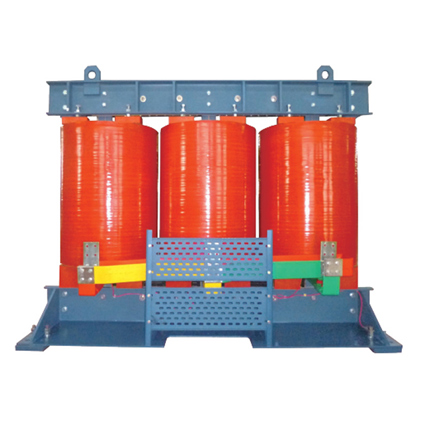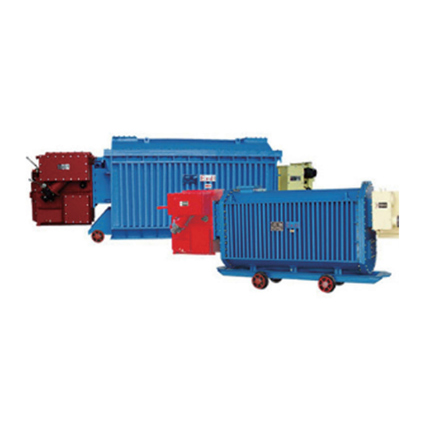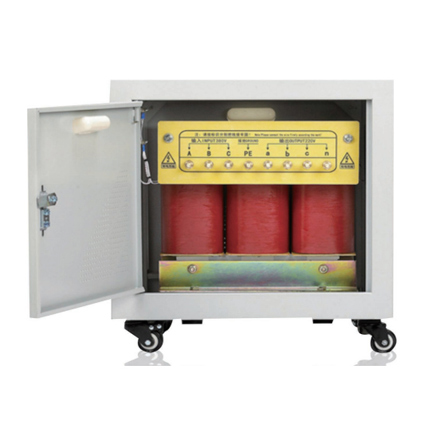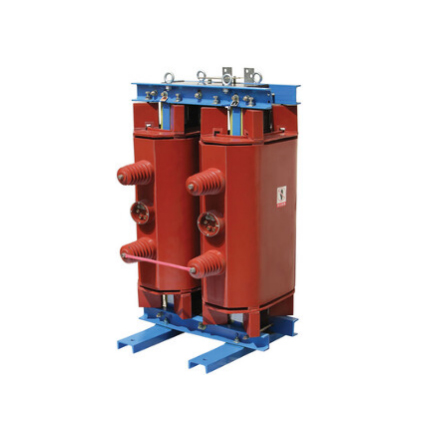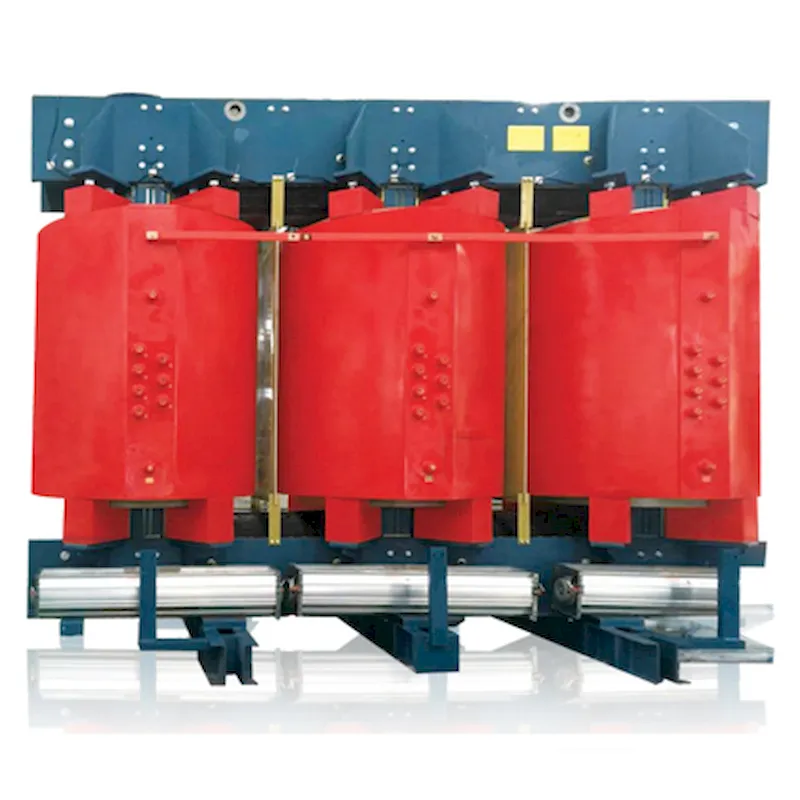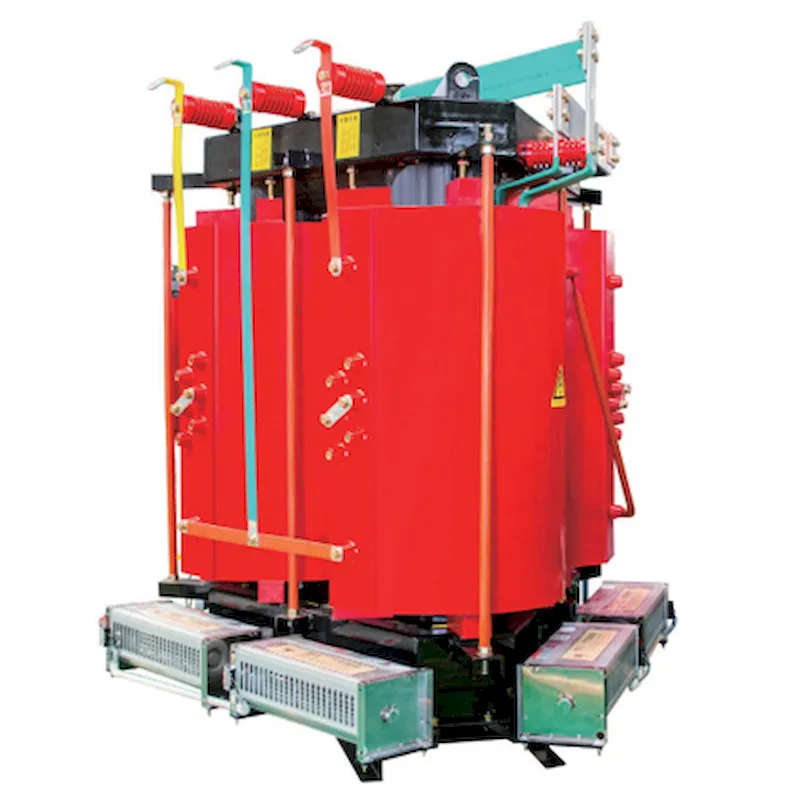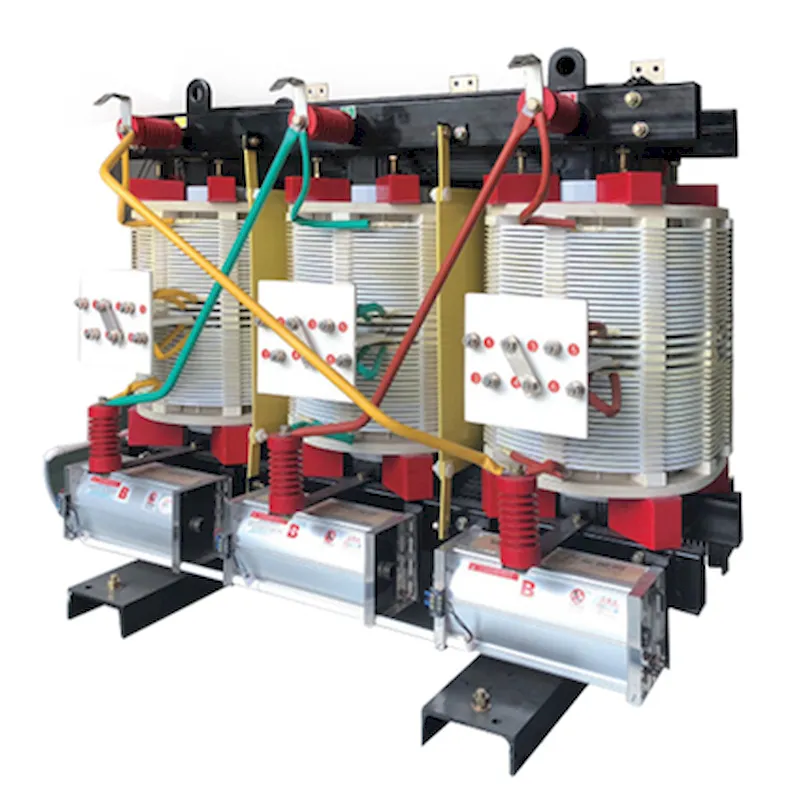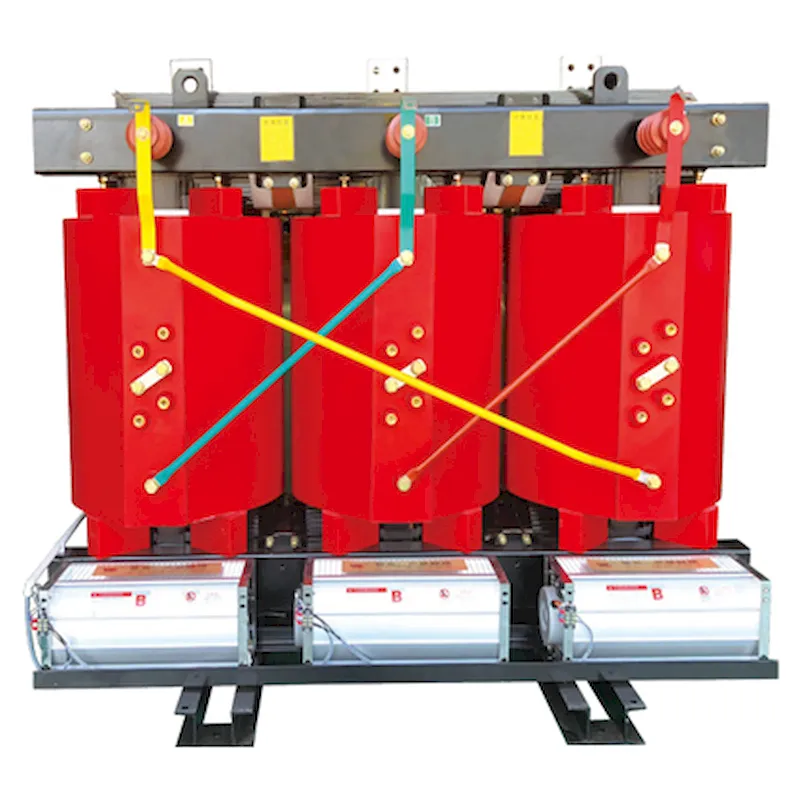
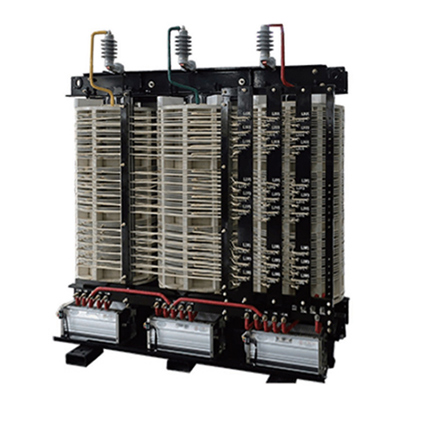
Multi-Winding Phase-Shifting Rectifier Transformer
Product Introduction
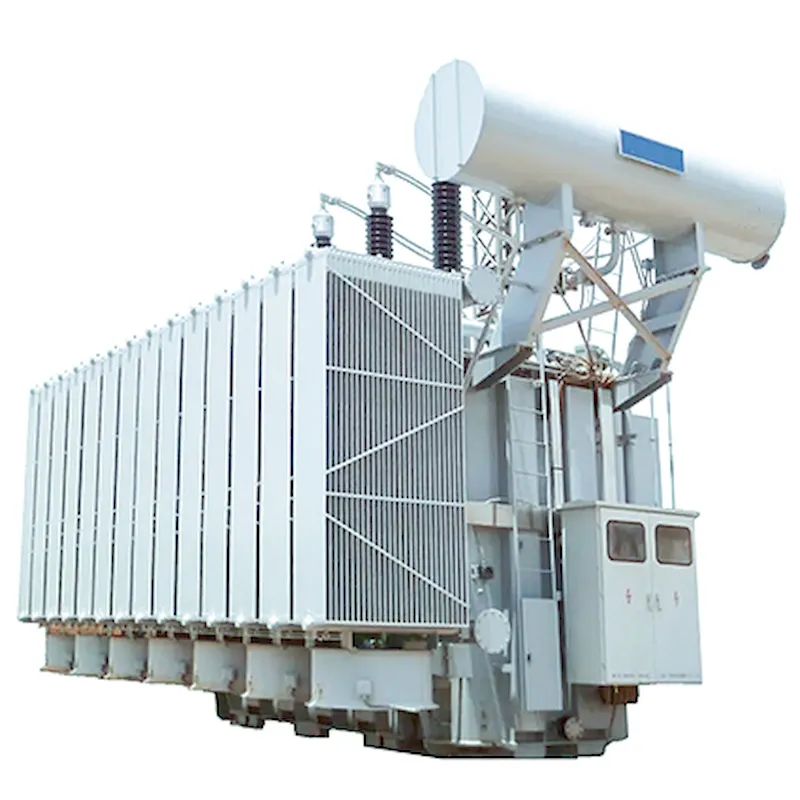
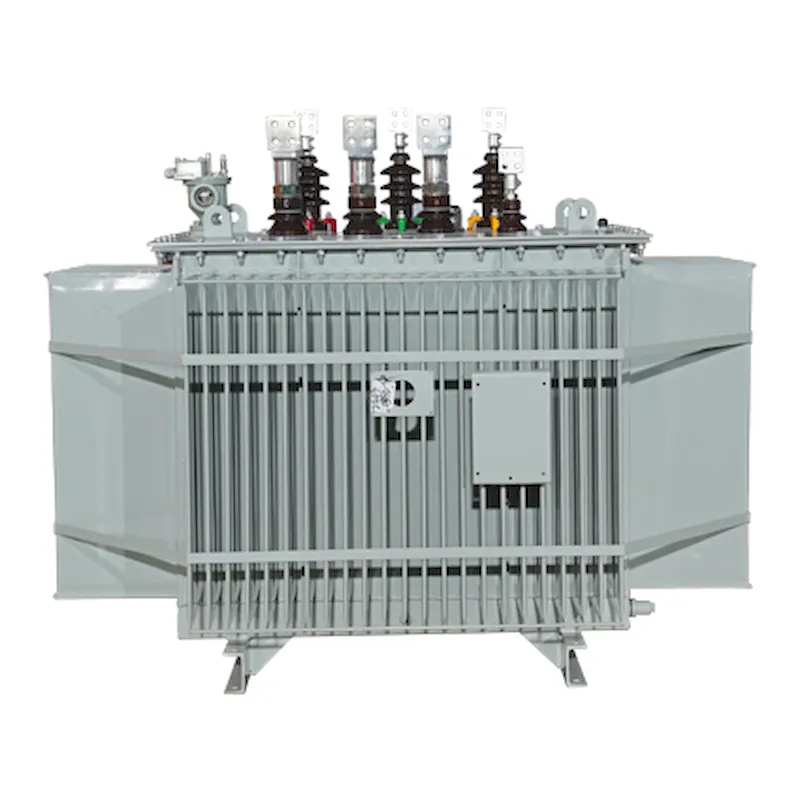
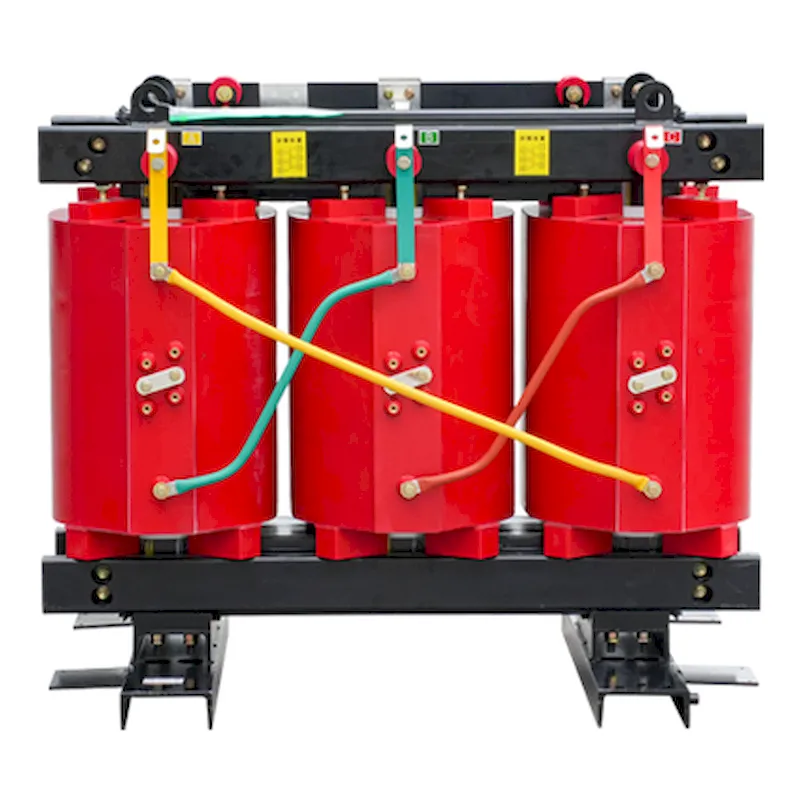
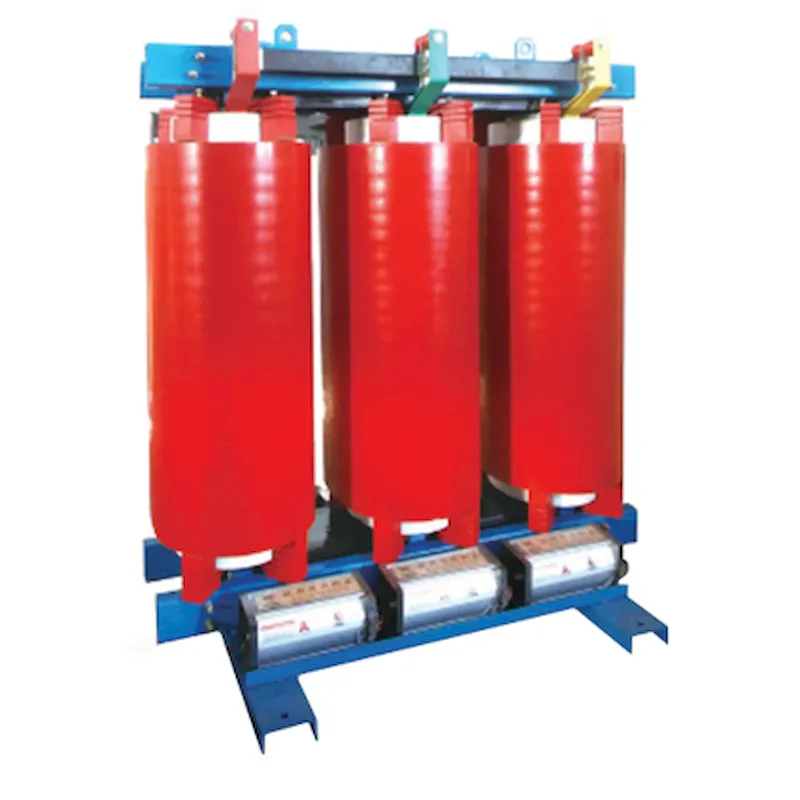
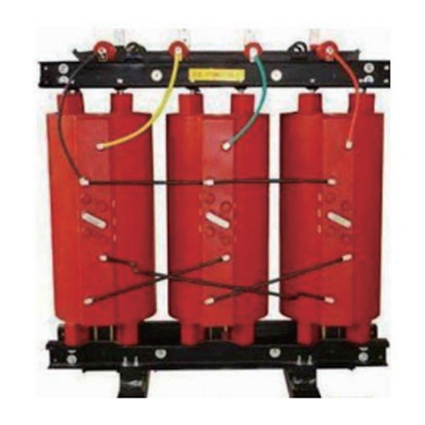
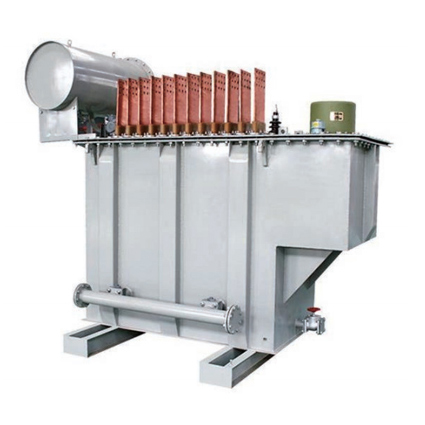
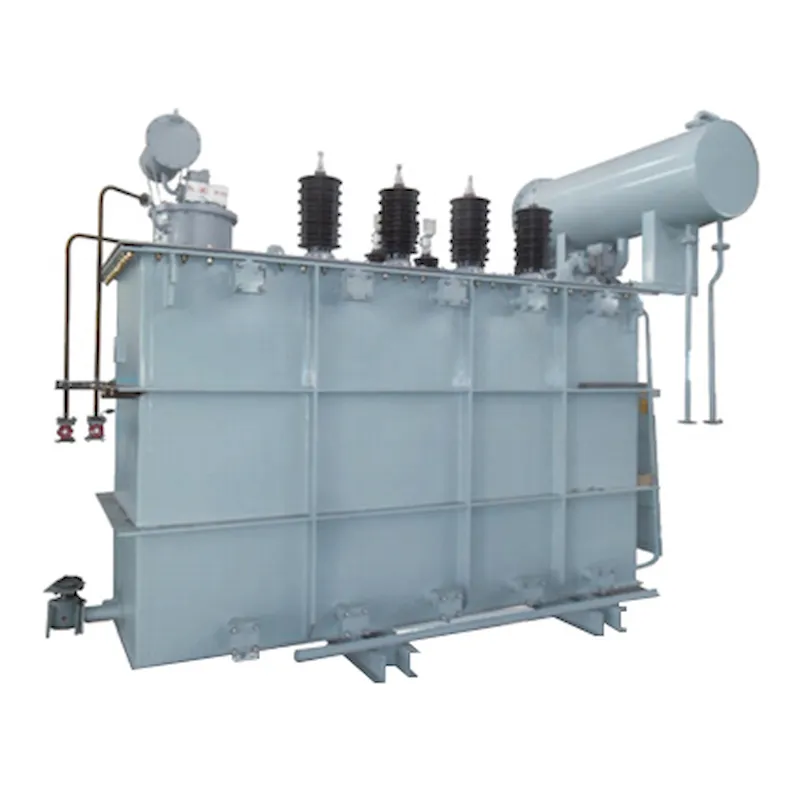
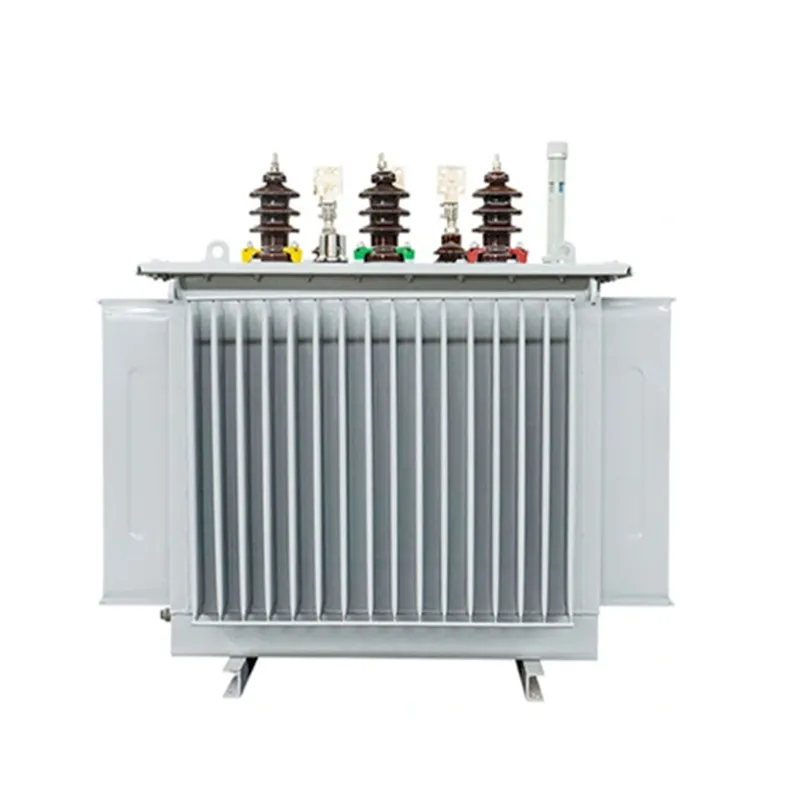
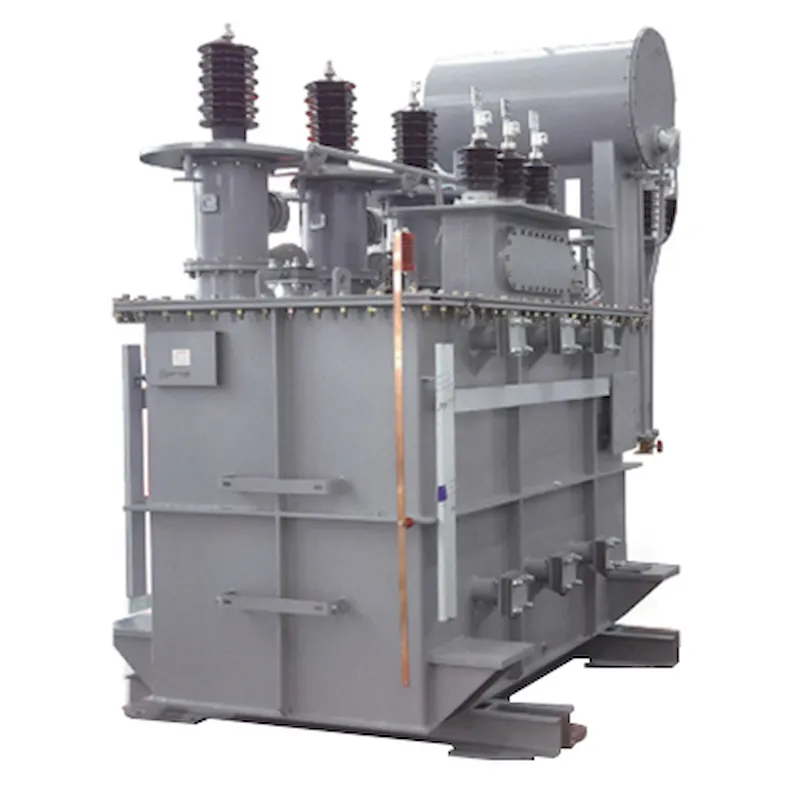
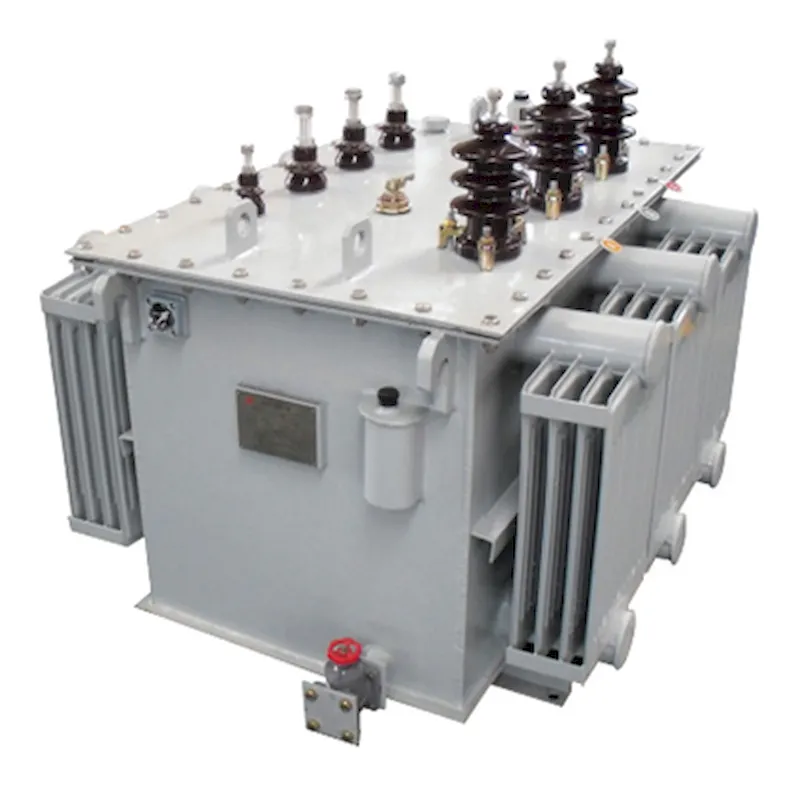
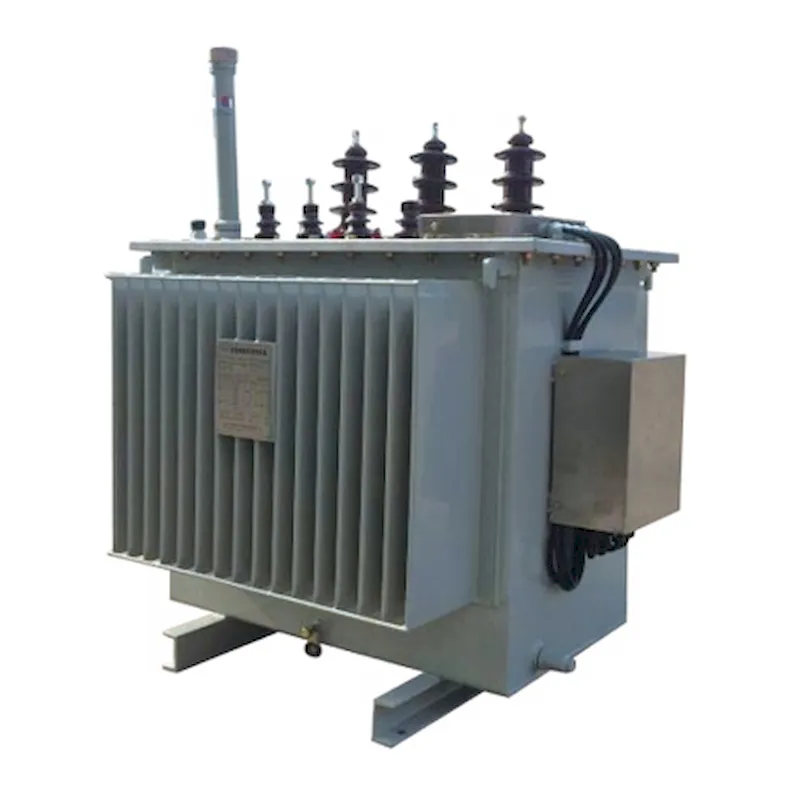
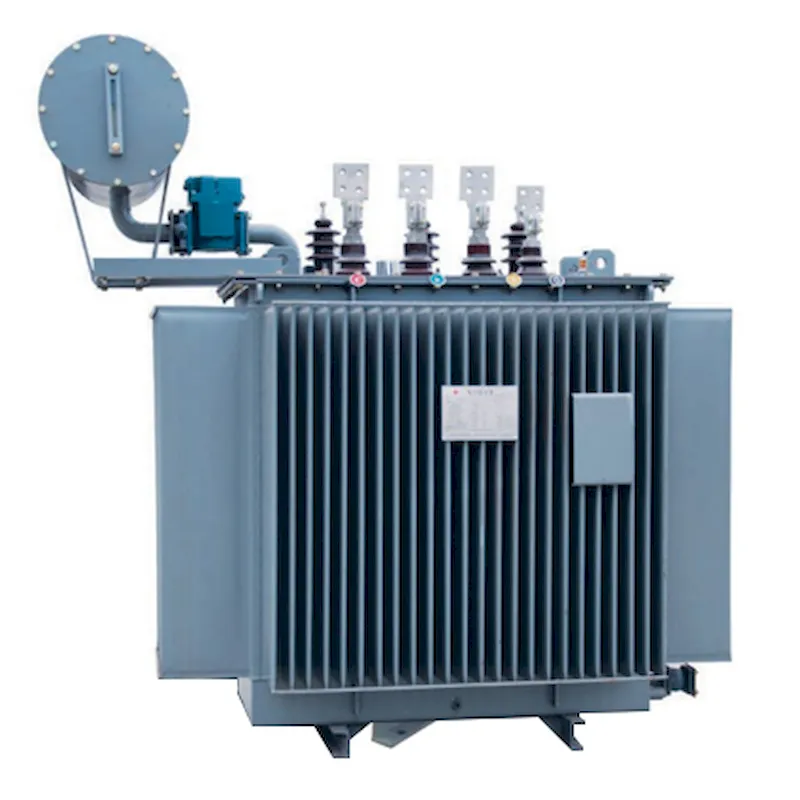
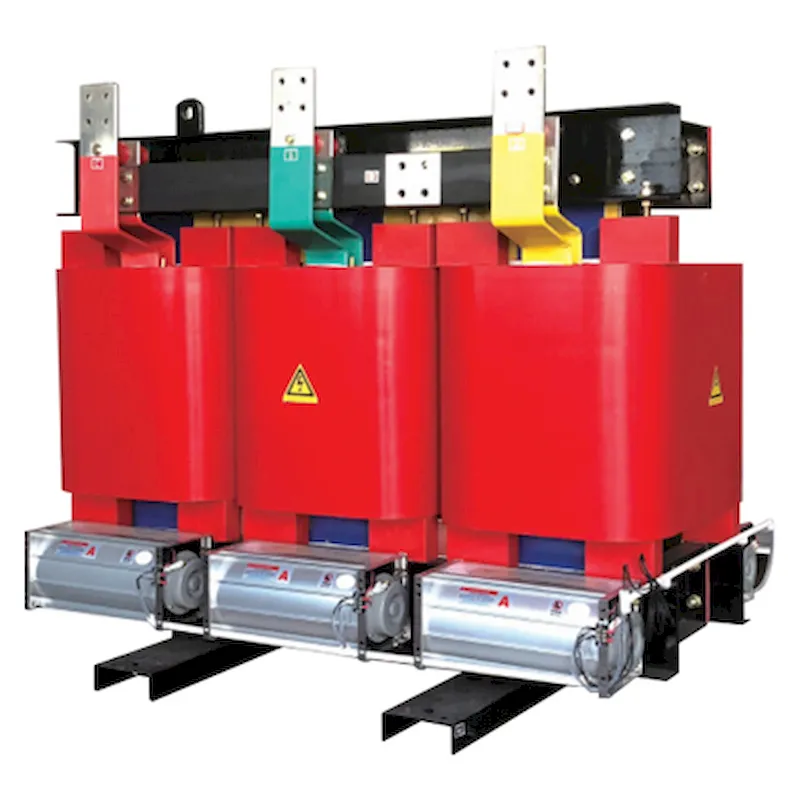
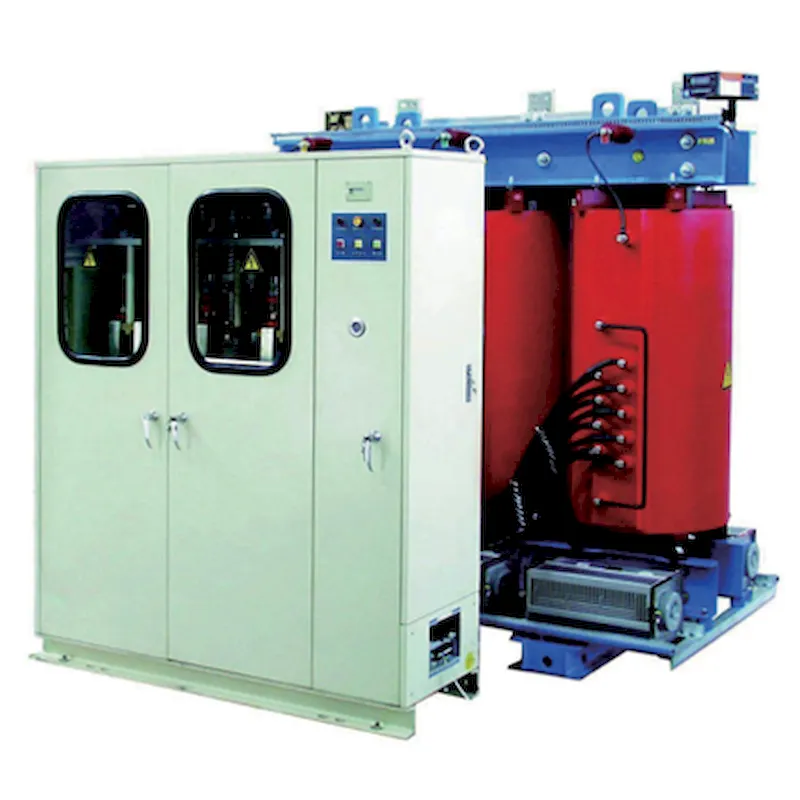
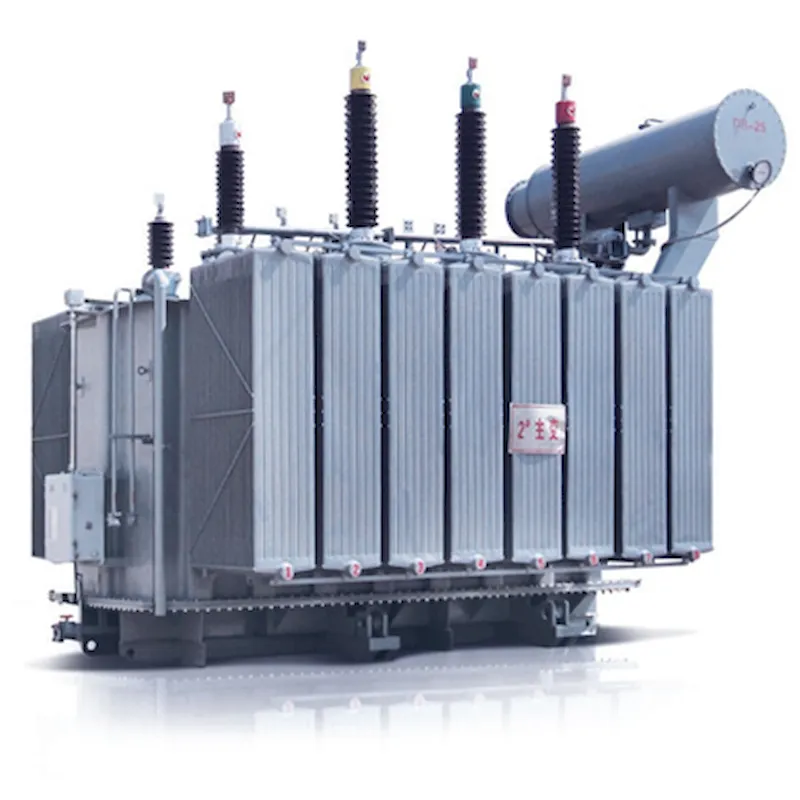
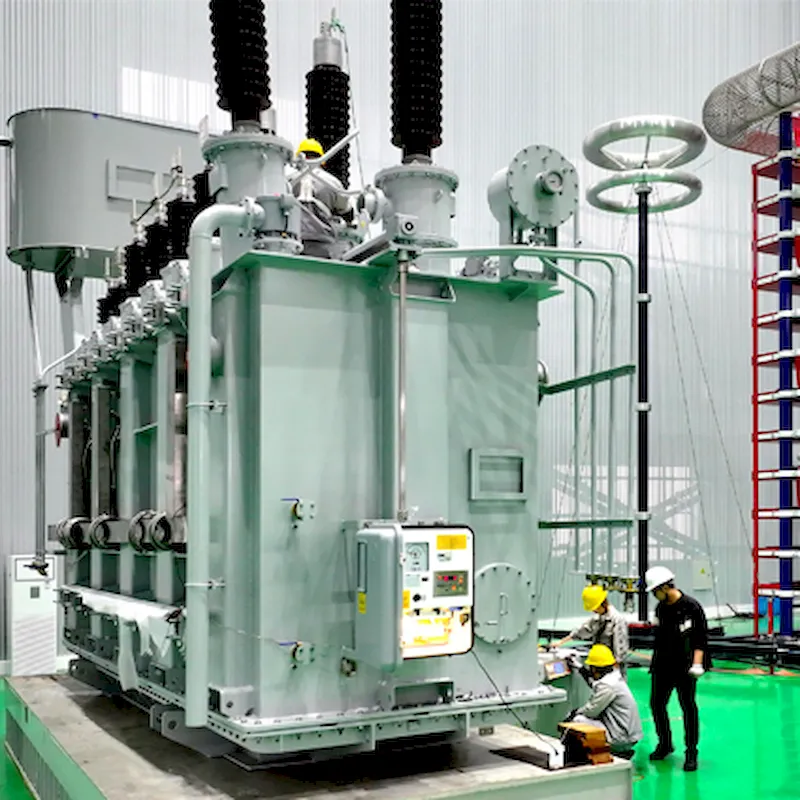
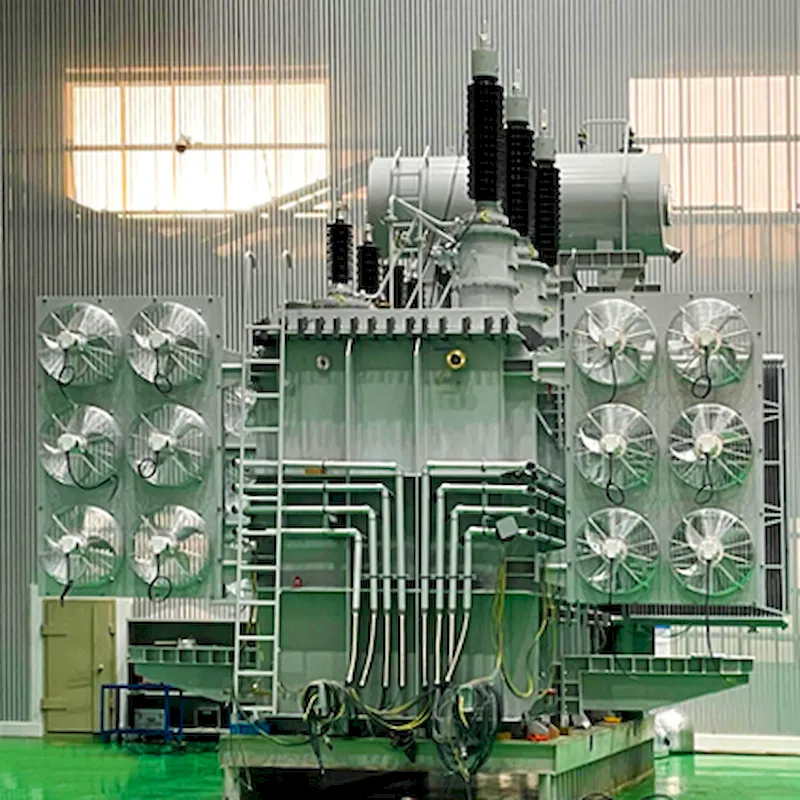
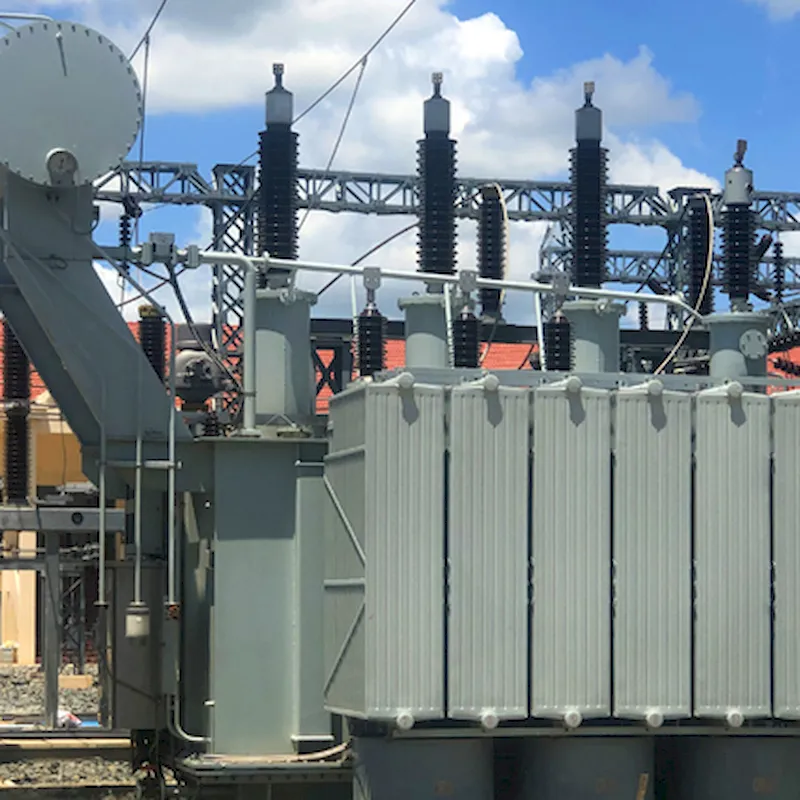
The phase-shifting rectifier transformer is a special transformer designed to provide multi-phase rectifier power for medium- and high-voltage frequency converters.
With the continued development of variable-frequency speed control technology, demand for phase-shifting rectifier transformers has increased. Based on non-encapsulated dry-type transformer technology, a series of multi-winding phase-shifting rectifier transformers has been developed and successfully applied in many projects.
The transformer adopts the delayed-delta phase-shifting principle. By using several secondary windings with different phase-shifting angles, it can form equivalent 9-phase, 12-phase, 15-phase, 18-phase, 24-phase and 27-phase rectifier systems.
The primary side of the transformer is connected directly to the high-voltage power grid. The secondary side consists of several three-phase windings with different phase-shifting angles.
The low-voltage three-phase windings use an extended-delta connection. Their line voltages have specified phase-shifting angles relative to one another.
When each phase is connected in series with n H-bridge units, the phase-shifting angle is calculated as 60°/n. This creates a 6n-pulse rectifier input.
When the power of each H-bridge unit is balanced and the current amplitudes are equal, the theoretical grid-side input current does not contain harmonics below the 6n ± 1 order.
This design improves the power factor and generally eliminates the need for additional reactive power compensation and harmonic filtering equipment.
The transformer is especially suitable for applications with strict fire-protection requirements and large load variations, including offshore oil platforms, thermal power plants, water treatment plants, metallurgical facilities, chemical plants, mines, building material plants and other special operating environments.
Capacity and Design
Multi-winding phase-shifting rectifier transformers can be designed according to individual customer requirements.
Available rated capacities include:
- 300 kVA
- 400 kVA
- 500 kVA
- 600 kVA
- 700 kVA
- 800 kVA
- 900 kVA
- 1,000 kVA
- 1,250 kVA
- 1,500 kVA
- 1,750 kVA
- 2,000 kVA
- 2,500 kVA
- 3,000 kVA
- 3,500 kVA
The transformer has relatively high primary impedance and an efficiency of more than 98%.
It uses an H-class insulation system. The temperature-rise limit for both the high-voltage and low-voltage windings is 120 K.
Different external structures and appearance designs are available according to customer requirements. The overall dimensions can also be adjusted to match the installation conditions.
Applicable Standards
- Q/ICE 726 — Dry-Type Power Transformer
- GB 6450-1986 — Dry-Type Power Transformer
- GB/T 10228-1997 — Technical Parameters and Requirements for Dry-Type Power Transformers
- GB/T 17211-1998 — Loading Guide for Dry-Type Power Transformers
- GB/T 10237-1998 — Insulation Levels and Insulation Tests for Power Transformers
- GB 4208-1993 — Degrees of Protection Provided by Enclosures (IP Code)
- JB/T 10008-1999 — Sound Levels for 6–220 kV Transformers
- JB/T 56009-1998 — Quality Classification of Dry-Type Power Transformers
- JB/T 8636-1997 — Power Transformers
Performance Features
- High mechanical strength, strong short-circuit withstand capability, and safe and reliable operation.
- Low operating noise, compact size, easy installation and maintenance-free operation.
- High insulation level, low partial discharge and long service life.
- Strong resistance to moisture, thermal shock and fire.